Soggy roast veg is almost always a heat-and-crowding problem, not a recipe problem. When vegetables release moisture faster than your oven can drive it off, that water sits as steam around them and they braise in their own juice instead of browning. Fix the steam and you fix the crisp. Here is how to do it reliably, plus the mistakes that quietly sabotage most trays.
Get the oven properly hot first
Roasting wants real heat. Set the oven to 220C (200C fan, gas mark 7) and give it a full 15 to 20 minutes to come up to temperature before anything goes in. Most ovens lie about being ready; the indicator light clicks off long before the metal walls and the shelf are actually at temperature, and a cold shelf is the first thing that makes potatoes stick and steam.
If your oven runs cool or you are cooking for a crowd, drop the fan and bump the dial slightly rather than lowering it. Below about 200C, denser vegetables like carrots and parsnips spend too long in the moisture-releasing stage before they ever start to colour.
Cut for even surfaces, and dry everything
Browning happens where a flat, dry surface meets hot metal. Two things follow from that.
First, cut pieces so they sit on a face, not a curve. Halve or quarter potatoes lengthways so each piece has a cut side to press down. Cut carrots on a steep angle for more surface area. Keep everything within roughly the same size band so they finish together.
Second, dry the veg. After washing or parboiling potatoes, let the steam blow off in a colander for a few minutes, then tip them about so the edges rough up. Surface water is the enemy: every drop has to boil away before browning can start, and while it does, the rest of the tray is sitting in a humid cloud. This is exactly the trick behind a proper Beef Sunday Roast, where roughed-up, dried potatoes are what give you the shattering crust.
Stop crowding the tray
This is the single biggest fix. Vegetables need space around each piece so steam can escape rather than pooling. Give every piece room to sit flat with a gap to its neighbour. If the tray looks full, use two trays.
A few practical points:
- Use a heavy, rimmed metal baking tray, not a deep roasting tin or glass dish. Shallow sides let moisture leave; tall sides trap it.
- Heat the empty tray (with the oil on it) for 5 minutes before adding the veg. The sizzle when they land is the sound of the surface searing instead of stewing.
- Put the veg in cut-side down and leave it alone for the first 15 to 20 minutes. Turning too early tears the crust before it has set.
Crowding is why so many tray bakes disappoint. The crispy potatoes and broccoli in Honey Balsamic Chicken with Crispy Broccoli & Potatoes only work if the chicken and veg are not piled on top of each other.
Use enough fat, and the right kind
Fat conducts heat into the surface and carries it evenly, so the contact points brown rather than scorch in patches. Be more generous than feels sensible: roughly one tablespoon of oil per 400g of vegetables, tossed so every piece is glossy with no dry, chalky patches.
Choose a fat that can take the heat. Rapeseed, sunflower and light olive oil are all happy at 220C. Extra virgin olive oil is fine for softer veg at slightly lower temperatures, but it can turn bitter when pushed hard. For potatoes, beef dripping or goose fat gives the deepest colour and that classic flavour. This generous-fat approach is the backbone of Patatas bravas, where the potato has to crisp hard enough to stand up to the sauce.
Season at the right moment
Salt draws water out of vegetables. Sprinkle it on raw and leave it, and you pull moisture to the surface, which then has to evaporate before crisping can begin. Toss with oil and a little salt just before roasting, then add a final pinch when they come out.
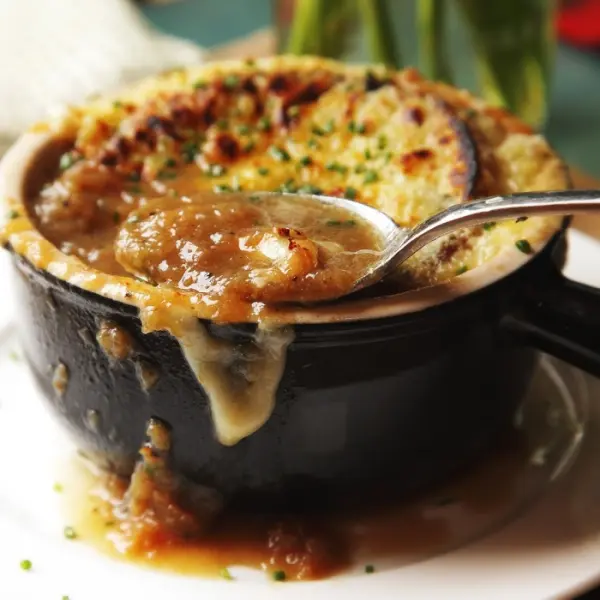
Sugary vegetables behave differently. Carrots, parsnips, beetroot and squash carry natural sugars that caramelise beautifully, but those same sugars will burn if you bury them under a sweet glaze too early. Add honey, balsamic or maple in the last 8 to 10 minutes only. The roasted carrots in French Onion Chicken with Roasted Carrots & Mashed Potatoes are a good template: let them colour dry first, sweeten at the end.
Match the timing to the vegetable
Not everything cooks at the same rate, and chucking it all in together is how you get burnt courgette next to raw potato.
- Dense and starchy (potato, carrot, parsnip, beetroot, swede): 35 to 45 minutes. Parboil potatoes for 8 minutes first for a fluffy inside under the crust.
- Squash and sweet potato: 25 to 35 minutes. Watch the sugars near the end.
- Aubergine, peppers, onions, fennel: 25 to 30 minutes. Aubergine drinks oil, so brush rather than drown it. See Roasted Eggplant With Tahini, Pine Nuts, and Lentils for the finished texture you are after.
- Quick and delicate (broccoli, cauliflower florets, asparagus, cherry tomatoes): 15 to 22 minutes.
If you want one tray, add the slow vegetables first and stagger the quick ones in later. For something a bit more involved that shows roasting and caramelisation working together, Roast fennel and aubergine paella is worth a look.
A quick checklist
Before the tray goes in, run through this: oven fully preheated, veg cut to even flat-sided pieces and patted dry, single layer with gaps, hot tray, enough oil, salt now and sweet glazes later. Get those right and the steam has nowhere to gather, which is the whole game.
Comments (0)
Log in or create an account to join the conversation.
No comments yet, start the conversation!