Every time you fry a steak, a chicken thigh or a couple of pork chops, you leave behind a sauce. It is the sticky, brown layer welded to the bottom of the pan once the meat comes out. Cooks call it the fond, from the French for base, and it is concentrated roasted flavour. Most people scrub it off into the sink. You can be drinking it in five minutes instead.
A pan sauce is the most useful thing I know in a home kitchen. It needs no stock cube, no jar, and no separate recipe. You make it in the same pan, while the meat rests, and it costs you nothing extra.
What the fond actually is
When protein hits a hot, dry pan, the surface dries out and starts to brown. Those browned solids stick where the meat touched metal. That residue is intensely savoury, but on its own it is bitter and burnt-tasting if you push it too far. The whole technique is about lifting it off the pan and dissolving it into liquid before it scorches.
Two things ruin a fond before you even start. A nonstick pan barely develops one, because the coating stops the sticking you actually want here, so reach for stainless steel or cast iron. And a crowded pan steams the meat grey instead of browning it, leaving you nothing to work with. Give each piece space and dry the surface with kitchen paper first.
The five-minute method
Once your meat is cooked, move it to a warm plate to rest. Leave the pan on the heat with its fond and a thin film of fat. Then:
- Pour off most of the fat if there is a pool of it, but keep about a tablespoon. Too much fat and the sauce splits and tastes greasy.
- Soften an aromatic. A finely chopped shallot or a clove of garlic, stirred for 30 to 60 seconds, builds a base. Do not let the garlic colour past pale gold or it turns acrid.
- Deglaze. Pour in around 100ml of liquid and immediately scrape the bottom with a wooden spoon. The fond will dissolve and lift in seconds. Wine, dry sherry, stock, cider or even water all work. If you use wine, let the raw alcohol cook off for a minute or two.
- Reduce. Let it bubble and thicken until it coats the back of a spoon, usually two to four minutes. You are aiming to lose roughly half the volume.
- Finish off the heat. Drop in a cold knob of butter, about 20g, and swirl the pan until it melts into the sauce. This is called mounting, and it gives you that glossy, slightly thick texture restaurants get. Doing it off the heat stops the butter splitting.
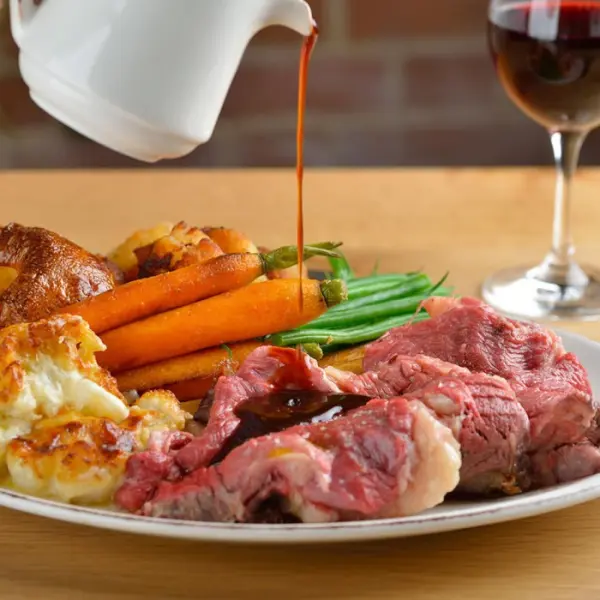
Taste, add salt and a squeeze of lemon or a splash of vinegar to sharpen it, and tip in any juices that have pooled under the resting meat. Spoon it over and you are done.
Matching the liquid to the meat
The deglazing liquid sets the character of the sauce, so match it loosely to what you cooked.
- Beef and lamb take red wine, beef stock or a spoon of mustard. The classic mushroom and soured cream finish in Beef stroganoff is a pan sauce built out exactly this way.
- Chicken loves white wine, a little stock and tarragon or thyme. A long, winey version of the same idea runs through Coq au vin, while Chicken Marengo deglazes with wine and tomato.
- Prawns and other quick seafood want sherry and garlic, gone in under a minute. Garlicky prawns with sherry is essentially a pan sauce you eat with bread.
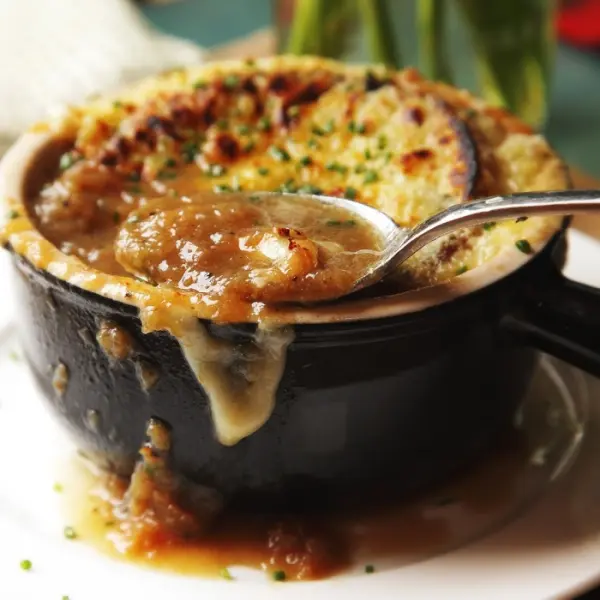
- Sweet and sharp finishes suit chicken and pork. A reduction of balsamic and honey, as in Honey Balsamic Chicken with Crispy Broccoli & Potatoes, turns syrupy and clings beautifully. For something richer, the onion-heavy gravy in French Onion Chicken with Roasted Carrots & Mashed Potatoes follows the same logic.
The mistakes that catch people out
The fond burns black while the meat finishes. If your pan is running too hot near the end, slide it off the heat for a moment. A dark brown fond is good; a black one is bitter and you should start again.
The sauce tastes thin and boozy. You have not reduced it enough, or you skipped cooking off the alcohol. Keep it bubbling longer. Patience here is the difference between a watery splash and something that coats.
The butter turns oily and separates. The pan was too hot when the butter went in. Take it off the heat, add a teaspoon of cold water and swirl hard to bring it back together.
It is over-salted. Stock and reduction both concentrate salt fast. Season at the very end, after reducing, never before.
Once you have made a few, you will stop measuring. A glug of wine, a scrape, a knob of butter, and you have a sauce that makes a plain chop look like you tried very hard.
Comments (0)
Log in or create an account to join the conversation.
No comments yet, start the conversation!