Batch cooking gets a bad name because most people do it wrong. They make an enormous pot of one thing on a Sunday, eat it Monday, tolerate it Tuesday, and by Wednesday they would rather order a takeaway than face the same bowl again. The freezer is the fix, but only if you treat it as a way to build variety rather than a way to store monotony.
The trick is to cook a few different things, freeze them in single portions, and end up with a rotating menu instead of a four-day sentence. Here is how to do that without it becoming a chore.
Cook for the freezer, not for tonight
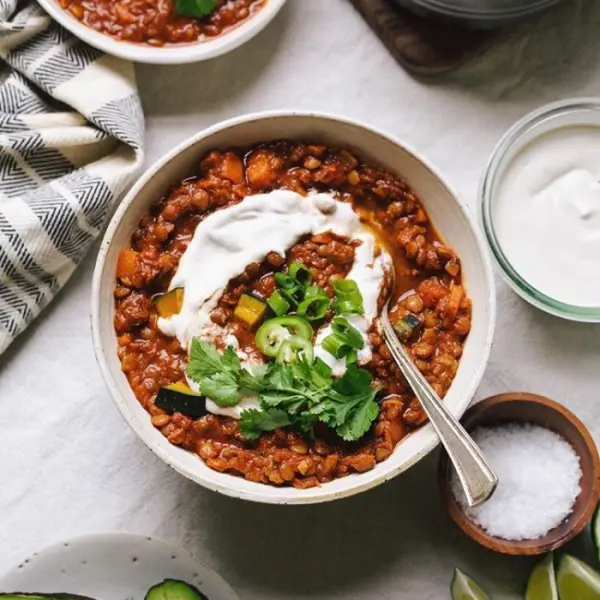
Not everything freezes well, so pick recipes that are actively improved by a few days in the cold. Anything built on a slow-cooked base of onions, tomato and stock is ideal because the flavours keep developing. A Spaghetti Bolognese sauce or a Braised Beef Chilli genuinely tastes better reheated, once the fat has had time to carry the spices through the meat.
Stews and tagines are the same. A Lamb Tagine loses nothing in the freezer; the apricots and warm spices settle into the lamb. Pulses are your cheapest, most reliable freezer friend: Dal Fry and Vegetarian Chilli both freeze beautifully and cost very little to scale up.
What does not freeze well:
- Anything with raw salad, fresh herbs as a finish, or crisp textures you want to keep.
- Plain boiled potatoes (they go grainy), though mashed potato on top of a pie is fine.
- Single cream and yoghurt stirred through a sauce; they can split on reheating. Add dairy after defrosting instead.
- Pasta cooked into a sauce, which turns to mush. Freeze the sauce alone and cook fresh pasta on the day.
Make two or three, not one giant batch
This is the part that stops the boredom. Instead of one vat, set aside a couple of hours and make two or three different bases. Brown your mince for a bolognese while a pot of dal simmers and a soup blends. You are already chopping onions and washing up, so the marginal effort of a second dish is small.
Aim to bank six to eight portions across different cuisines. A creamy Broccoli & Stilton soup for quick lunches, a Lamb Tagine for a slower dinner, and a Vegetarian Chilli for a fast jacket potato topping gives you three completely different meals from one cooking session. That variety is what makes the system stick.
Cool fast, then freeze flat
The most common mistake is freezing food while it is still warm. It raises the freezer temperature, partially defrosts everything around it, and leaves the centre of your portion sitting at bacteria-friendly warmth for far too long.
Cool cooked food quickly instead. Decant it into a wide, shallow dish so it loses heat fast, and get it into the fridge within an hour or two, then the freezer once cold. To speed things up, sit the dish in a sink of cold water and stir now and then.
For packing:
- Use freezer bags laid flat. A flat brick stacks neatly and defrosts in a fraction of the time a round tub takes.
- Portion before freezing, not after. Single or double portions mean you only defrost what you need.
- Leave a couple of centimetres of headspace in tubs because liquids expand as they freeze.
- Press the air out of bags. Air is what causes freezer burn, those dry grey patches that taste of old freezer.
Label like you mean it
A freezer full of unlabelled brown bricks is how good food gets thrown away. You will not remember whether that bag is chilli or bolognese once it is frozen solid; they look identical.
Write the dish, the date, and the number of portions on every bag with a marker. Most cooked meals keep their quality for two to three months, longer for plain stocks and soups. They stay safe well beyond that, but the texture and flavour fade, so treat three months as your "use by".
Keep a scrap of paper or a note on your phone listing what is in there. It takes thirty seconds and it is the difference between a useful freezer and an archaeological dig.
Defrost and reheat properly
Move tomorrow's dinner from freezer to fridge the night before. Overnight defrosting in the fridge is safest and means it reheats evenly. If you forget, a sealed bag dropped in a bowl of cold water will thaw in an hour or so.
When you reheat, get it properly hot all the way through, not just warm at the edges. Bring stews and sauces up to a steady simmer and hold them there for a couple of minutes. Stir halfway through if you are using a microwave, because they heat unevenly and leave cold pockets. Reheat once only; do not refreeze something you have already defrosted and warmed.
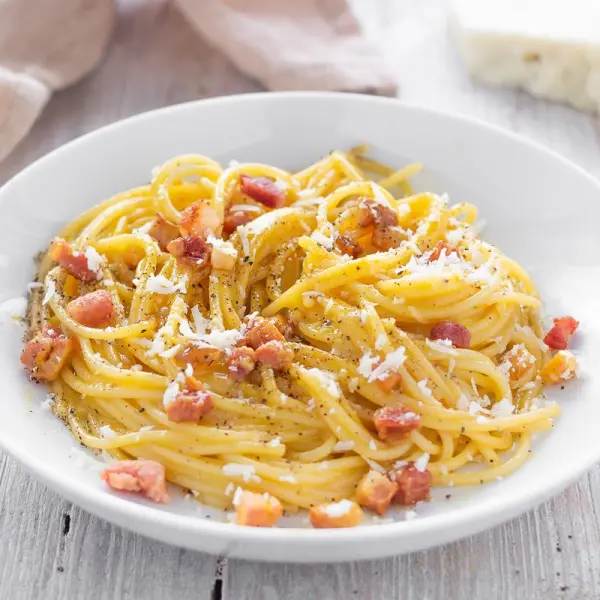
Finish on the plate to bring it back to life. A handful of fresh coriander on the dal, a spoonful of yoghurt on the tagine, freshly grated parmesan over the bolognese. That last touch is what stops a reheated meal tasting reheated, and it is the real answer to freezer boredom: cook once, but never serve it exactly the same way twice.
Comments (0)
Log in or create an account to join the conversation.
No comments yet, start the conversation!